Source Bumper Guard Parts for Cars, Trucks, and Bikes
Find and compare 30 bumper guard options for vehicle protection. Evaluate materials like PP, ABS, and carbon fiber, along with fitment for Honda and universal applications. Review specifications for rear bumper guards and decorative stickers to select the right solution for your sourcing needs.
Key considerations
Products List

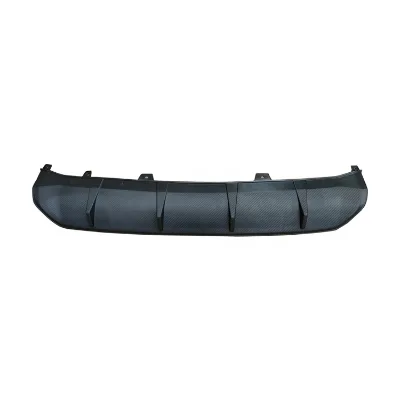


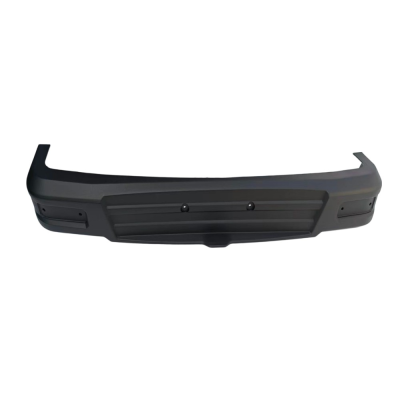


Comprehensive Sourcing Guide
Bumper Guard Sourcing Guide
Sourcing bumper guards requires a clear understanding of the diverse product landscape, which ranges from simple decorative stickers to heavy-duty protective foams and structural ABS components. Buyers must first distinguish between aesthetic enhancements and functional protection, as the material composition and installation methods vary significantly across these categories. The observed market signals indicate a wide spectrum of offerings, including red round warning cautions, white-red or black-yellow striped guards, and universal fitment stickers designed for rear fenders or front bumpers. Each type serves a distinct purpose, whether it is to prevent minor scrapes, enhance vehicle visibility, or provide a customized aesthetic finish.
Procurement decisions should be driven by the specific application environment, such as public usage areas or private vehicle maintenance. The data suggests that customization is widely available, allowing buyers to tailor products to specific brand identities or vehicle models, such as Honda or generic universal fits. However, this flexibility introduces complexity in quality control and fitment verification. Buyers need to establish clear specifications early in the sourcing process to ensure that the selected bumper guard meets both functional durability requirements and aesthetic expectations, avoiding mismatches between the product’s intended use and its actual performance characteristics.
Product Scope and Observed Listing Signals
The current market listings reveal a broad scope of bumper guard products, characterized by varied materials including polypropylene (PP), ABS plastic, and carbon fiber. These materials dictate the product’s durability, weight, and installation method, with some options designed for original car hole installation while others rely on adhesive backing or simple placement. The observed product names range from "Guard Rubber Foam" to "Rear Bumper Guard" and "Car Sticker," indicating that buyers must carefully review product titles and descriptions to understand the actual nature of the item. For instance, rubber foam guards with a density of 35 Kg/M3 offer shock absorption, whereas ABS components provide rigid structural protection.
Listing signals also highlight significant variations in packaging and physical dimensions, which impact logistics and storage costs. Products are packed in cartons or OPP bags, with single package sizes ranging from small stickers measuring 12.883cm to larger assemblies like 119X37X16 cm. The gross weight of items can vary from 2.5 kg to 9 kg, influencing shipping calculations and handling requirements. Buyers should note that while some products are labeled as "High-Quality" or "Durable," these are subjective claims that require independent verification through sample testing or supplier audits. The presence of features like "Easy Installation" or "Factory-Direct" sourcing suggests a focus on convenience and cost-efficiency, but these attributes must be validated against actual user experience and product performance.
Technical Specifications to Verify
Verifying technical specifications is critical to ensuring that the bumper guard fits the intended vehicle or application correctly. Buyers must confirm the exact model number and car fitment details, as listings may specify compatibility with specific models like the "21 Frontier" or claim "Universal" fitment, which often requires additional modification or trimming. The size specifications provided, such as 15100500 mm or 119*37, must be cross-referenced with the physical dimensions of the target bumper or surface area. Mismatches in size can lead to installation failures or aesthetic inconsistencies, so precise measurement verification is essential before placing bulk orders.
Material composition and density are other key technical factors that influence the product’s longevity and performance. For example, rubber foam guards with a specified density of 35 Kg/M3 offer different protective qualities compared to rigid ABS or carbon fiber components. Buyers should request detailed material data sheets to confirm the grade of plastic or foam used, as well as any additives that enhance UV resistance or flexibility. Additionally, the installation method, whether it involves original car holes, adhesive application, or mechanical fastening, must be clearly defined. Understanding the installation requirements helps in planning labor costs and ensuring that the final product integrates seamlessly with the vehicle or structure without causing damage.
Compliance and Safety Documentation
While specific certification standards are not explicitly detailed in the observed listings, buyers must ensure that all bumper guards comply with relevant safety and regulatory requirements for their target markets. For automotive applications, this may include adherence to local vehicle modification laws, which often regulate the color, reflectivity, and placement of bumper accessories. Products marketed as "Warning Caution" or featuring high-visibility colors like red, white-red, or black-yellow may need to meet specific reflectivity standards to ensure they function effectively as safety devices in public usage areas. Buyers should verify that the product’s color and design do not violate any traffic safety regulations in the destination country.
Documentation should also cover the environmental and chemical safety of the materials used, particularly for products involving plastics like PP and ABS. Buyers should request Material Safety Data Sheets (MSDS) to confirm that the materials are free from harmful substances and comply with international environmental standards. Additionally, for products intended for public use or high-traffic areas, compliance with fire retardancy or impact resistance standards may be necessary. Although specific test results are not provided in the initial data, buyers should insist on third-party testing reports or certifications from recognized bodies to validate these claims. This due diligence helps mitigate legal risks and ensures that the products are safe for end-users and the environment.
Cost Drivers and Commercial Terms
The cost of bumper guards is influenced by several factors, including material type, customization level, and packaging complexity. Products made from carbon fiber or ABS plastic typically command higher prices than those made from standard rubber foam or plastic stickers. Customization options, such as specific colors, logos, or dimensions, can also increase production costs due to the additional setup and labor required. Buyers should analyze the price range of 0.35 to 200,000 USD observed in the market, recognizing that this wide variance reflects differences in product scale, quality, and complexity. It is essential to request detailed quotations that break down costs by material, labor, and packaging to understand the true value proposition.
Commercial terms, including Minimum Order Quantity (MOQ) and payment conditions, play a significant role in the overall procurement strategy. The observed MOQ range of 1 to 1000 pieces allows for flexibility, enabling buyers to start with small trial orders before committing to larger volumes. Payment terms such as T/T (Telegraphic Transfer) are common, but buyers should negotiate favorable conditions based on order size and supplier relationship. Shipping methods, such as air freight, also impact the total cost, especially for heavier items with gross weights up to 9 kg. Buyers should consider the total landed cost, including shipping, duties, and handling fees, to make informed decisions that align with their budget and inventory requirements.
Supplier Qualification and Quality Control
Supplier qualification is a crucial step in ensuring the reliability and consistency of bumper guard supplies. Buyers should verify the supplier’s place of origin, with listings indicating sources from Jiangsu and Guangdong, China, regions known for manufacturing capabilities. However, geographic origin alone does not guarantee quality, so buyers must conduct thorough due diligence on the supplier’s production facilities, quality management systems, and past performance. Requesting references or case studies from previous clients can provide insights into the supplier’s ability to meet deadlines and maintain consistent product quality. Additionally, verifying the supplier’s business license and export credentials ensures that they are legally authorized to operate and ship internationally.
Quality control measures should be implemented throughout the production and shipping process to minimize defects and ensure product integrity. Buyers should establish clear quality standards and inspection criteria, covering aspects such as material density, color consistency, and dimensional accuracy. For products with specific features like "Easy Installation" or "Durable" construction, buyers may require sample testing to validate these claims before approving bulk orders. Implementing a pre-shipment inspection protocol can help identify any defects or discrepancies early, allowing for corrective actions before the goods are dispatched. Regular communication with the supplier and clear documentation of quality expectations are essential for maintaining a successful procurement relationship.
Long-Term Procurement Checks
Long-term procurement success depends on continuous monitoring of supplier performance and market trends. Buyers should regularly review supplier metrics, such as on-time delivery rates, defect rates, and responsiveness to issues, to ensure that the partnership remains beneficial. Establishing a scorecard system can help track these metrics objectively and identify areas for improvement. Additionally, staying informed about changes in material costs, regulatory requirements, and technological advancements in bumper guard design can help buyers adapt their sourcing strategies proactively. Regular market analysis allows for the identification of new suppliers or alternative products that may offer better value or performance.
Building a resilient supply chain involves diversifying suppliers and maintaining open lines of communication to mitigate risks. Buyers should avoid over-reliance on a single source and consider qualifying alternative suppliers in different regions to ensure continuity of supply. Regular audits and feedback sessions with suppliers can foster a collaborative environment focused on continuous improvement. Furthermore, documenting lessons learned from past procurement cycles can help refine future sourcing decisions and enhance overall efficiency. By maintaining a strategic approach to supplier management and quality assurance, buyers can secure a steady supply of high-quality bumper guards that meet their evolving business needs.
FAQs
What customization options are available for bumper guards?
Customization is available for these products to meet specific buyer needs. The items can be customized according to requirements, allowing for tailored solutions in design or specifications for various applications.
Which materials are used to manufacture these bumper guards?
The bumper guards are manufactured using materials such as PP, ABS, and Carbon Fiber. These materials ensure durability and protection for the vehicle body while maintaining a high-quality finish for the end user.
How is the installation process handled for these guards?
Installation is designed for original car hole installation to ensure a seamless fit. This method allows for easy setup without requiring complex modifications, making it suitable for direct application on compatible vehicle models.
What is the minimum order quantity for purchasing these items?
The minimum order quantity is one piece, allowing buyers to start with small orders. This low MOQ of 1 Pc provides flexibility for testing the product quality before committing to larger bulk purchases.
Can these bumper guards be used for public safety applications?
Yes, these guards are suitable for public usage as indicated by their classification. They serve as warning and caution devices, often featuring colors like red, white, black, or yellow to enhance visibility and safety.
What are the standard packaging details for these products?
Products are packed in cartons or OPP bags depending on the specific item type. The packaging ensures safe transport, with single package sizes varying based on the model and dimensions of the guard.
Where are these bumper guards manufactured and shipped from?
These items originate from China, specifically from regions like Jiangsu and Guangdong. They are shipped via air transport, ensuring timely delivery to international buyers while maintaining product integrity during transit.